Coffee in Europe
Traditions that continue to evolve.
Europe grows very little coffee commercially, yet it has played a major role in trade, roasting and brewing culture. Classic espresso, café crème, filter and modern specialty coffee now live side by side.
From port to coffeehouse
Coffee entered European cities through trade and became part of conversation, work and public life.
South and north
Southern Europe developed compact espresso traditions; larger cups and filter remained important further north. Travel and modern equipment increasingly connect these worlds.
The local roaster
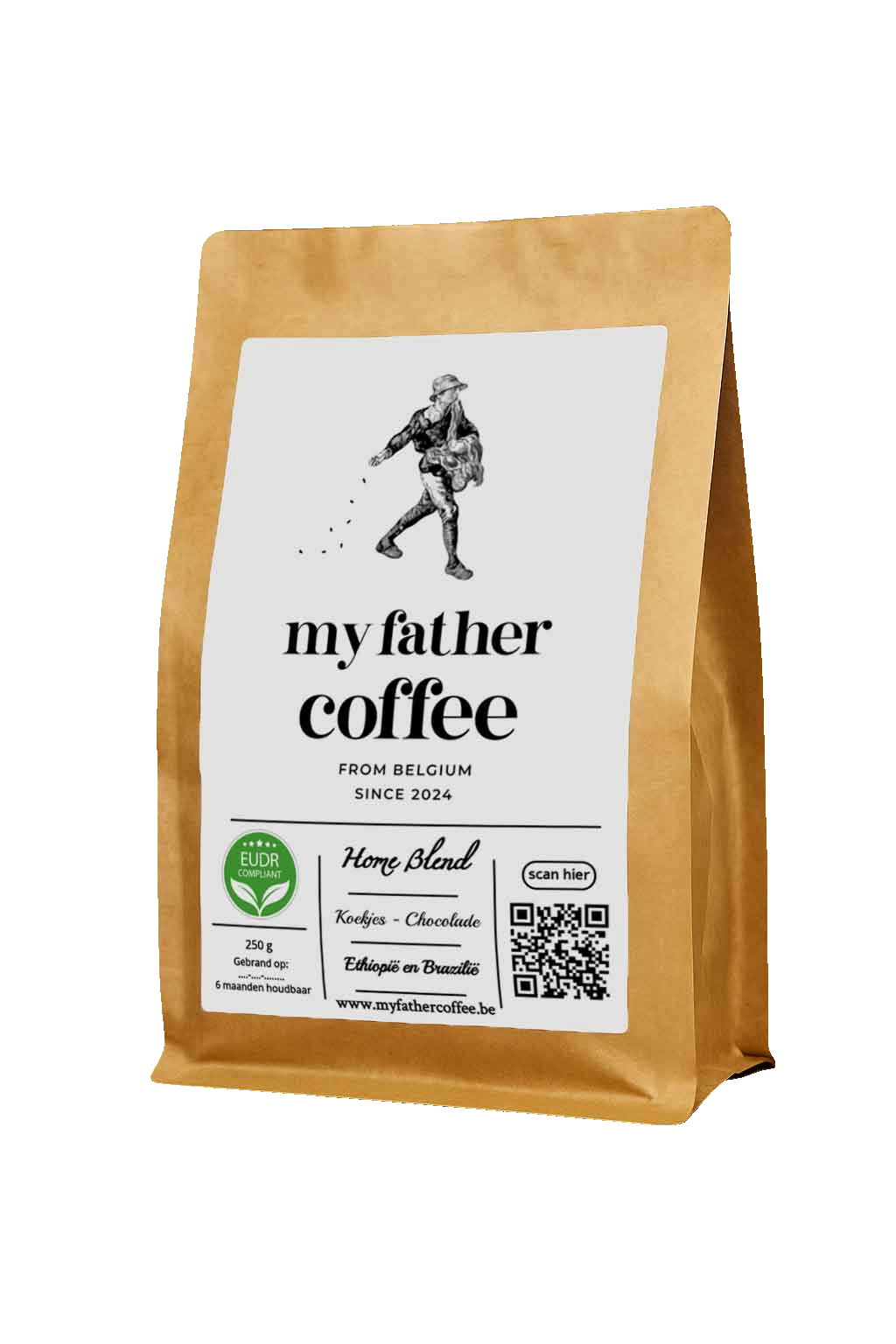
Green coffee travels far, but its final flavour development happens close to the customer. Local roasting supports smaller batches, freshness and direct guidance.
A new quality question
More people want to understand origin, processing, roast profile and brewing. Clear information has therefore become part of quality.
From knowledge to your cup
Traditions that continue to evolve.
- 01
Espresso needs solubility and balance
- 02
Filter highlights clarity and nuance
- 03
Milk drinks need body and recognisable character
Frequently asked questions
Coffee in Europe
Is coffee grown in Europe?
Only in very limited quantities. Most green coffee is imported and roasted in Europe.
What is European coffee?
Not one style, but a collection of espresso, filter and milk-drink traditions.
Why choose locally roasted coffee?
For freshness, direct communication and advice suited to your machine and taste.